News

AI Is at Work, but How Is Your Business Doing?
-
- Photo: Harry Tiits
-
- Photo: Harry Tiits
-
- Photo: Harry Tiits
-
- Photo: Harry Tiits
-
- Photo: Harry Tiits
-

- Photo: Harry Tiits
-
- Photo: Harry Tiits
-
- Photo: Harry Tiits
-
- Photo: Harry Tiits
-
- Photo: Harry Tiits
-
- Photo: Harry Tiits
-
- Photo: Harry Tiits
-
- Photo: Harry Tiits
-
- Photo: Harry Tiits
-
- Photo: Harry Tiits
-
- Photo: Harry Tiits
-
- Photo: Harry Tiits
-
- Photo: Harry Tiits
-
- Photo: Harry Tiits
-
- Photo: Harry Tiits
-
- Photo: Harry Tiits
-
- Photo: Harry Tiits
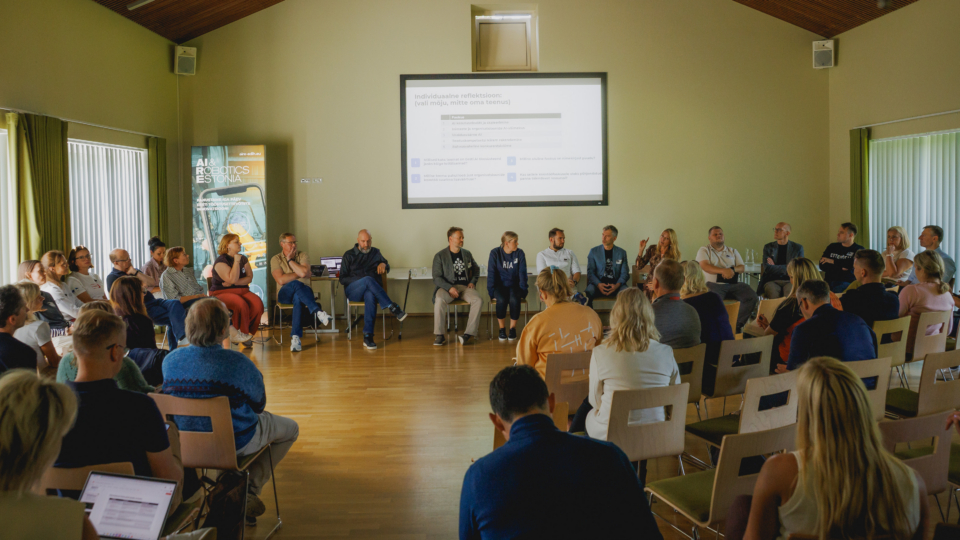
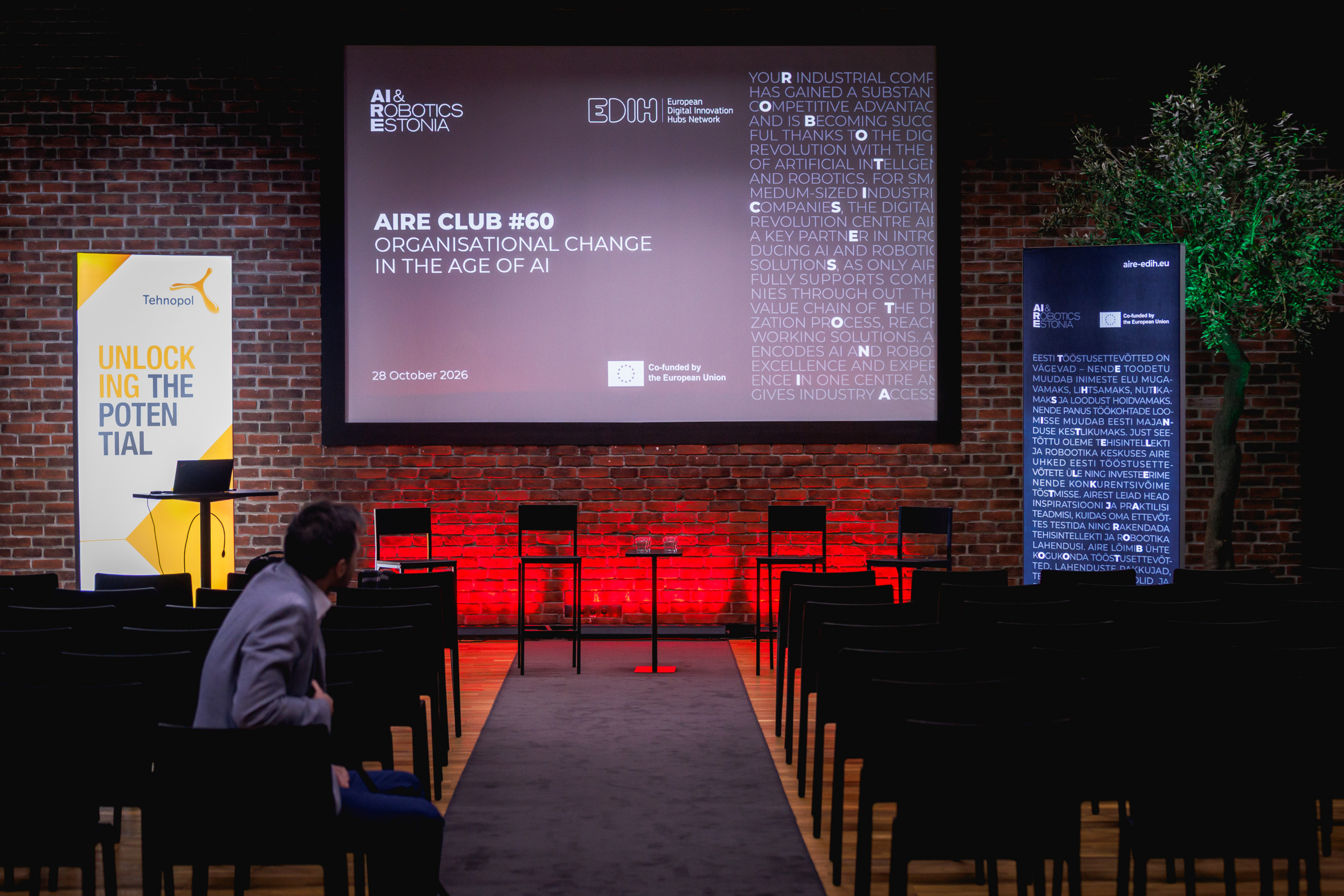
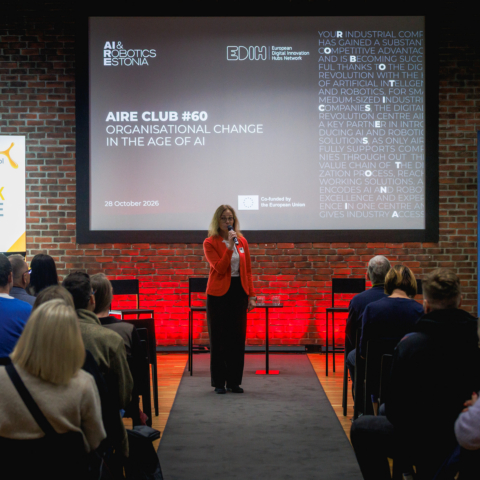
The AIRE Club at Tehnopol highlighted that simply adopting AI does not bring benefits. People, decisions, processes and roles must change too. We are at a stage where ready-made answers don’t exist, and sharing experience can help us find solutions.
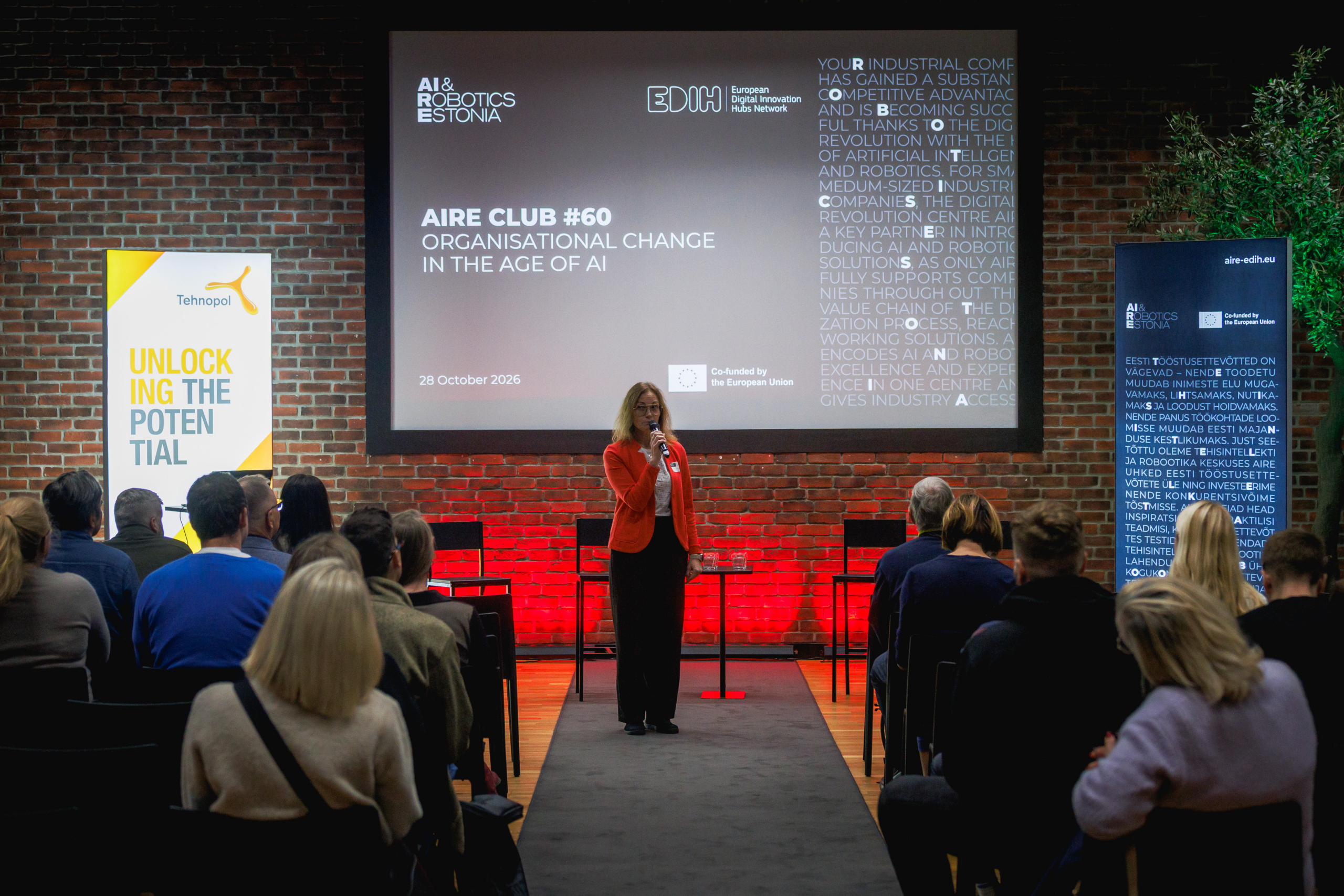
Opening the club, Head of AIRE Katre Eljas stressed that adopting AI is a question of business management and development. “Success should be measured by the business value created, not by the technology adopted. The biggest change requires rethinking how work is organised and what roles people play, so that collaboration between people and AI creates new opportunities. This is the responsibility of leaders, whose task is to give change a direction and support the development of employees’ skills and trust.”
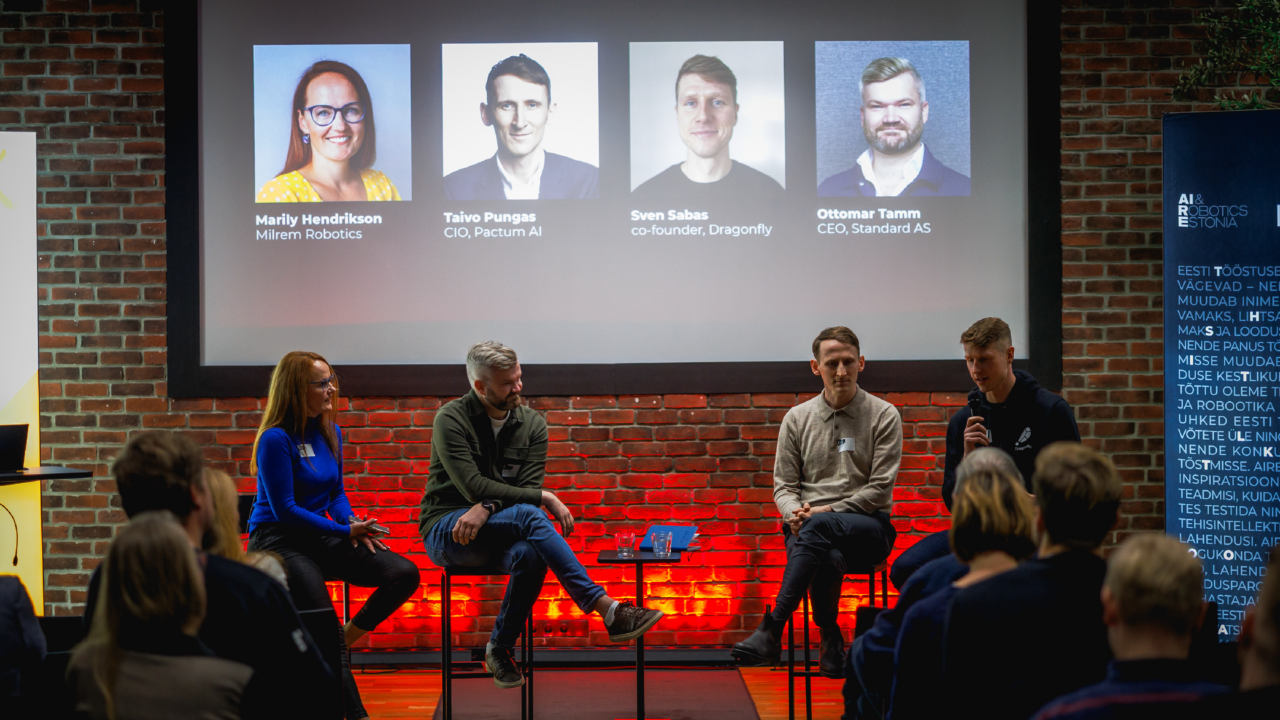
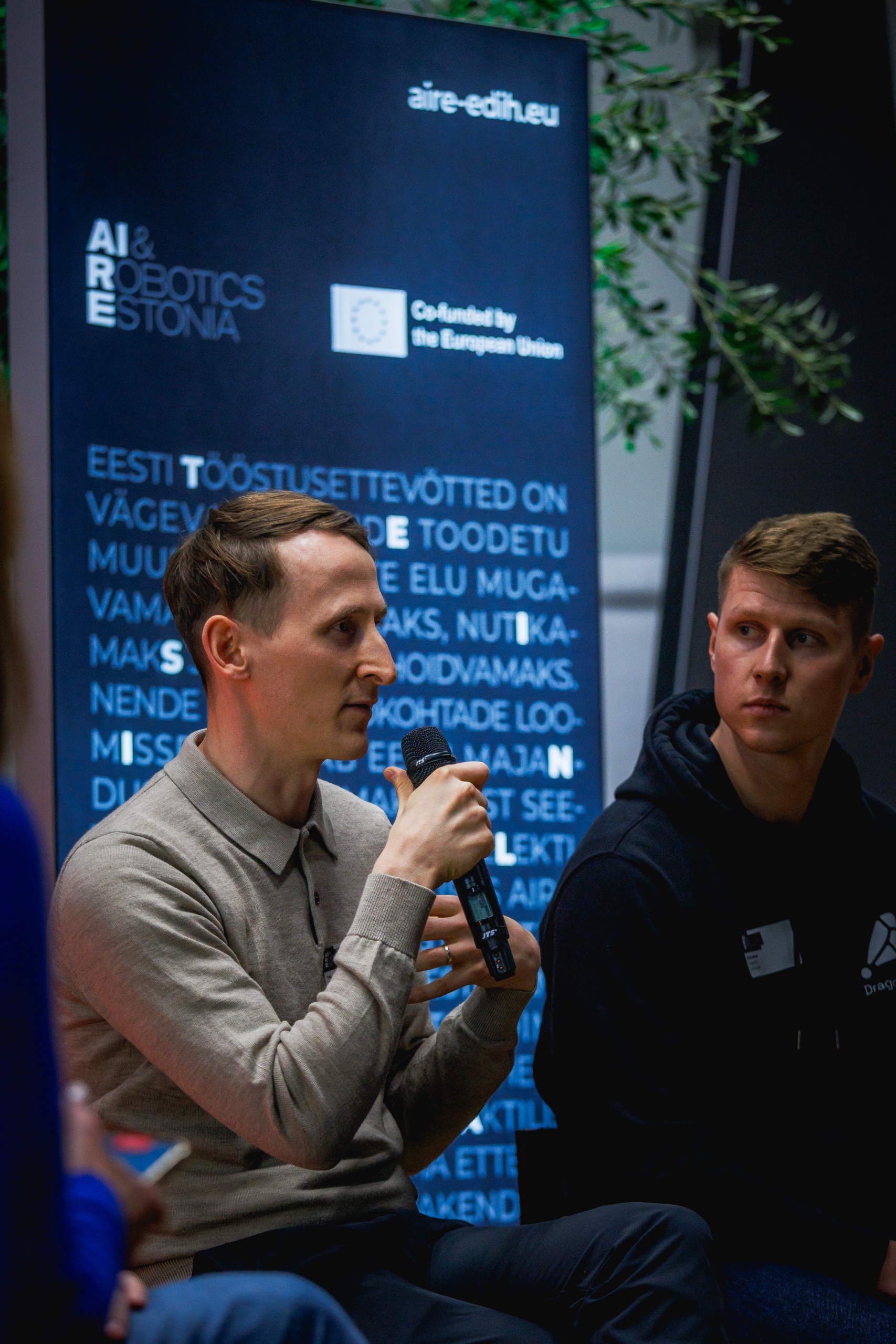
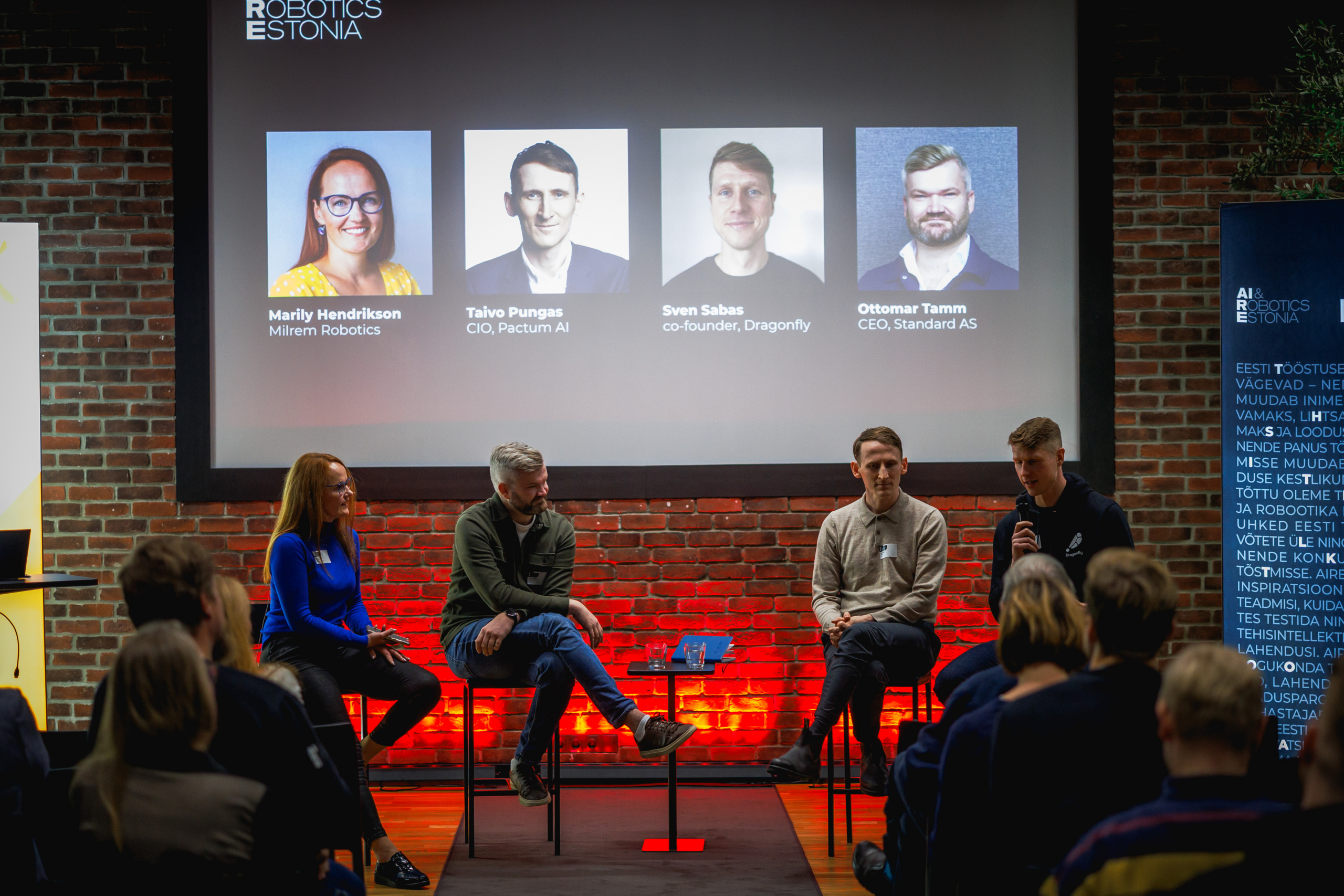
In a panel moderated by Marily Hendrikson of Milrem Robotics, Taivo Pungas, CTO of Pactum AI, admitted it is hard for him to name a concrete change, measurable in euros, that AI has brought. AI costs are growing, but headcount and related costs are not falling, and revenue growth is not yet clearly visible either.
So how do you know what is worth investing in? Ottomar Tamm, head of furniture manufacturer Standard, said every new solution now must pass a filter: what does it give the company, and can the benefit be shown in numbers where possible? In his words, it is still only “the very beginning”.
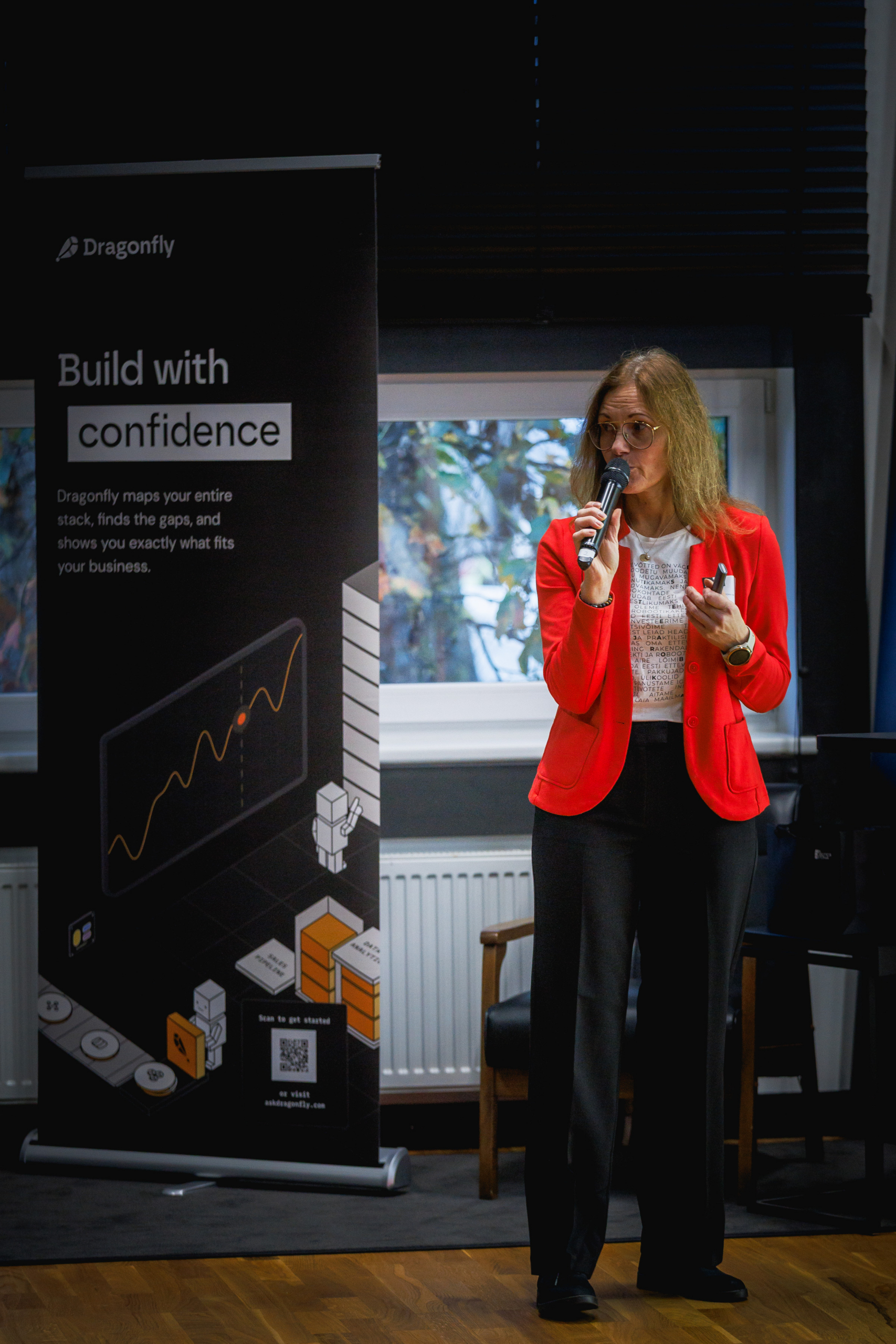
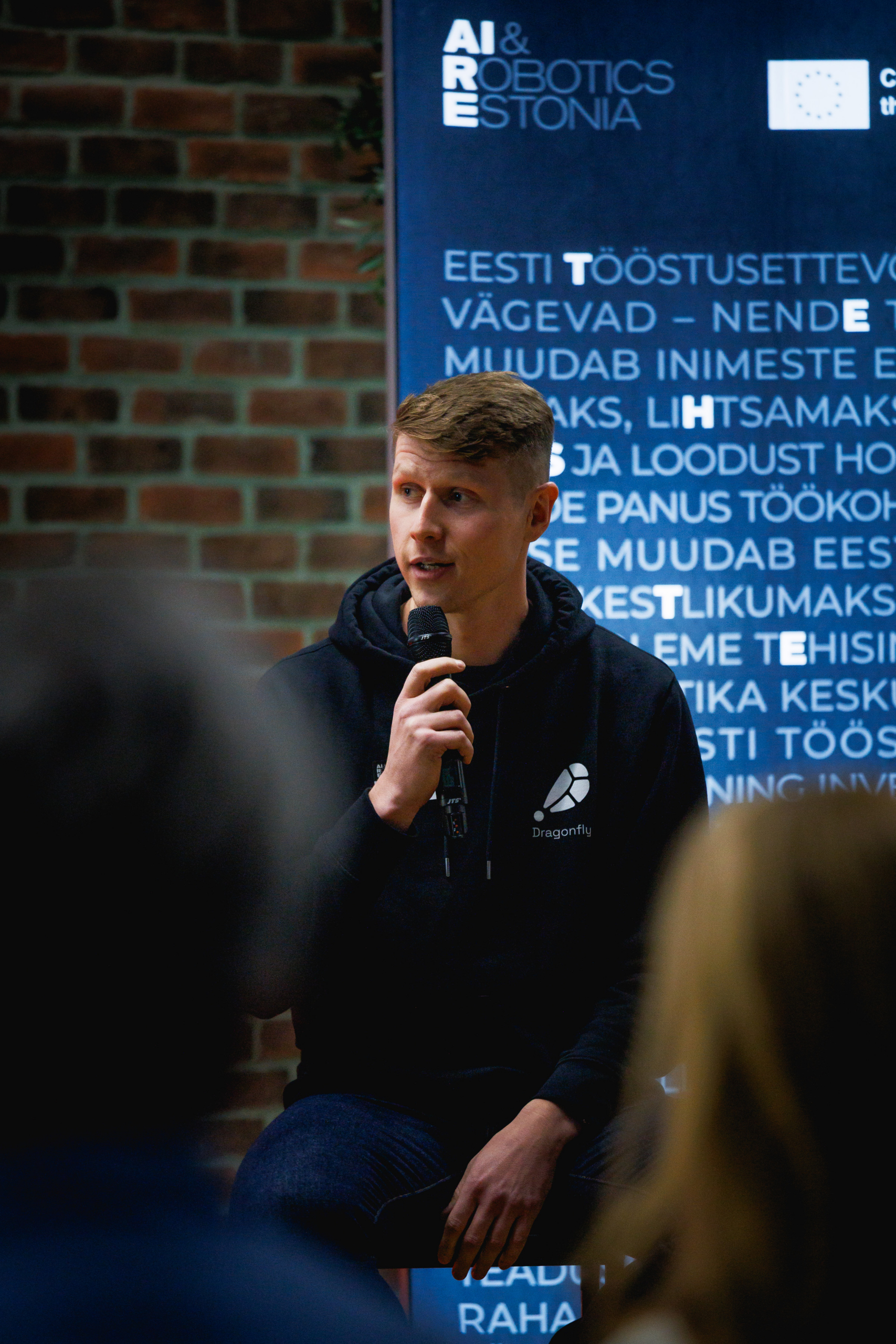
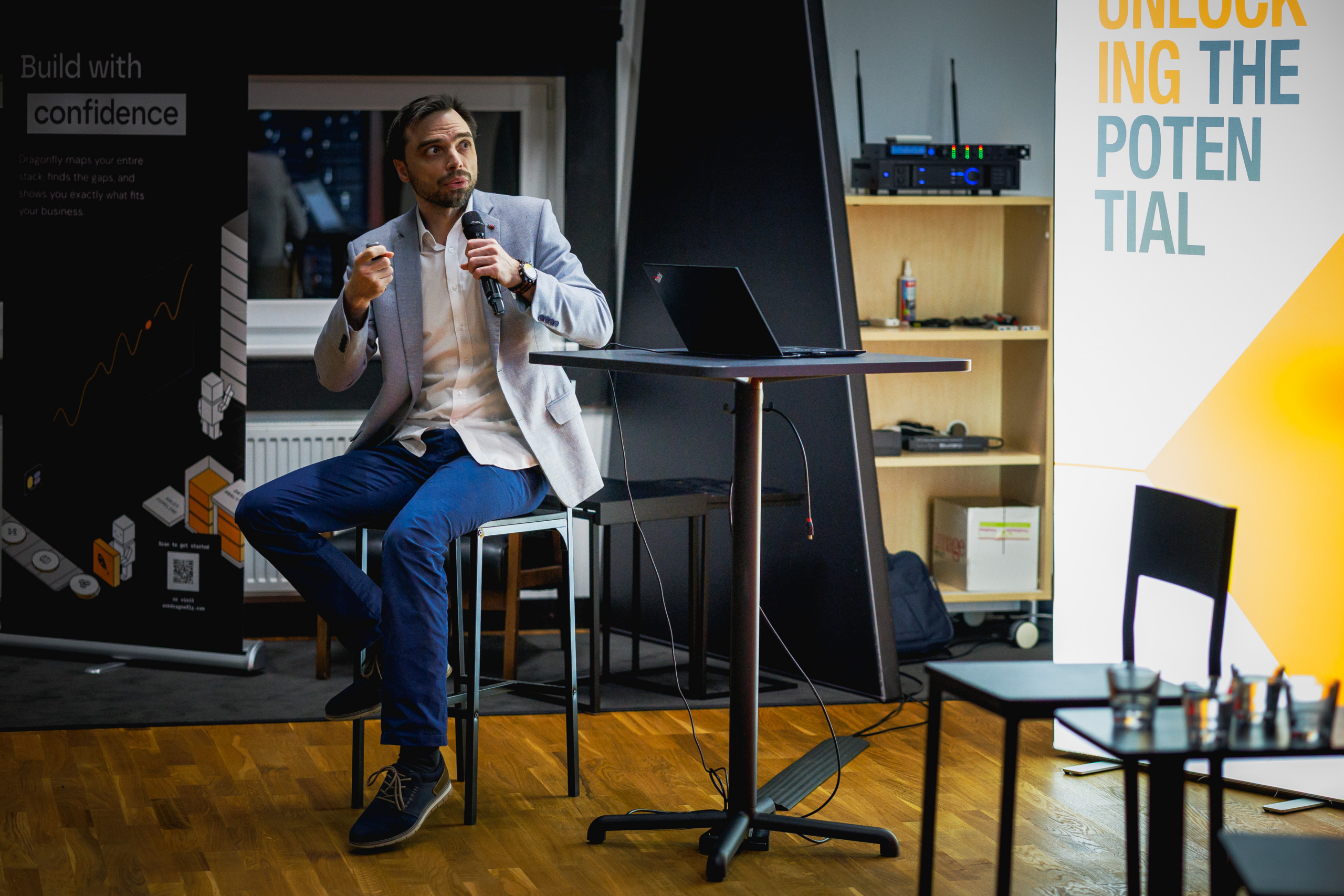
Alongside waiting for results, people must be given time to learn. Sven Sabas, co-founder of Dragonfly, emphasised that learning how to learn is now one of the most important skills, because next year work may look different again. One-off experimentation is not enough. Leaders need to decide how much working time can be devoted to learning and when results are expected from it.
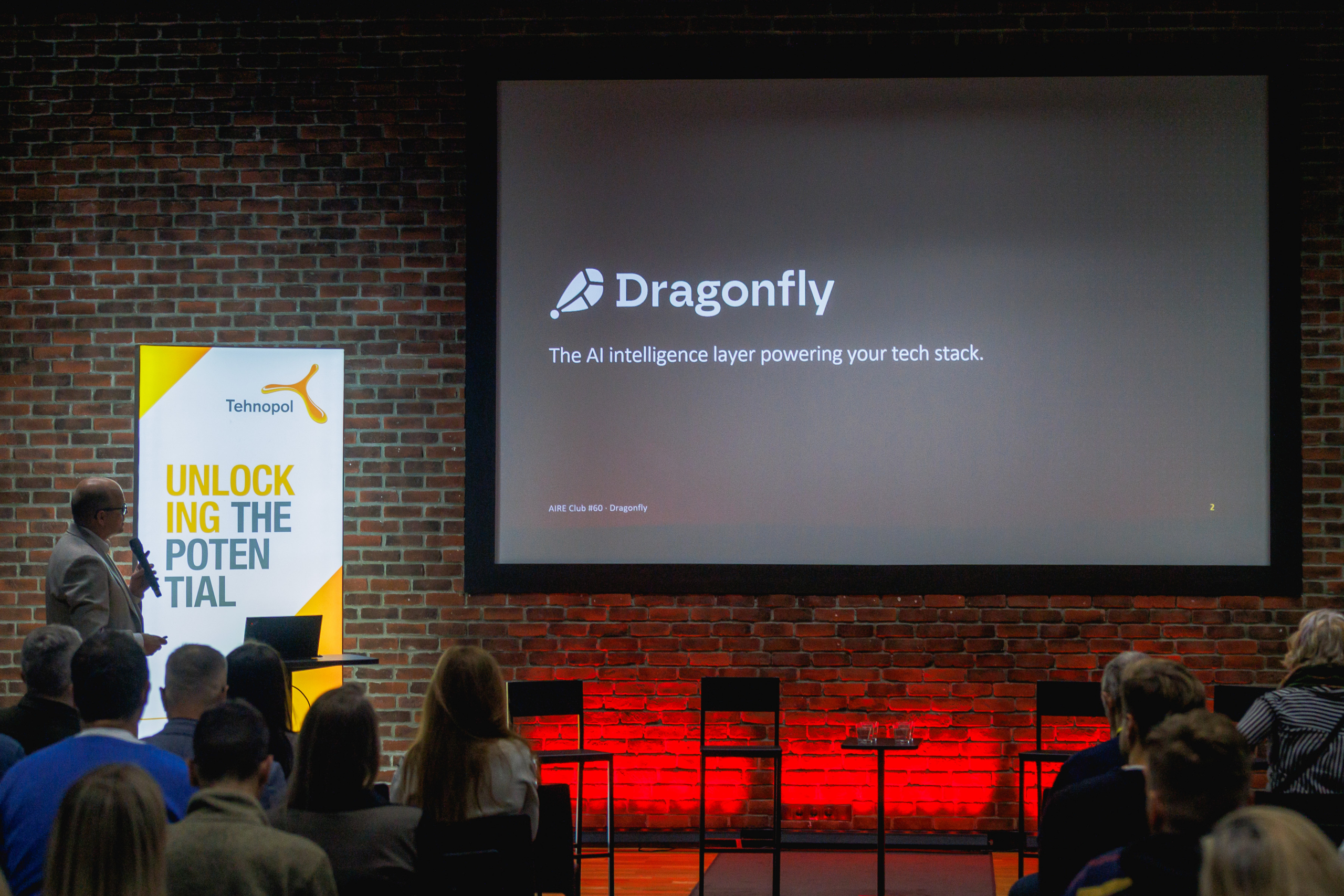
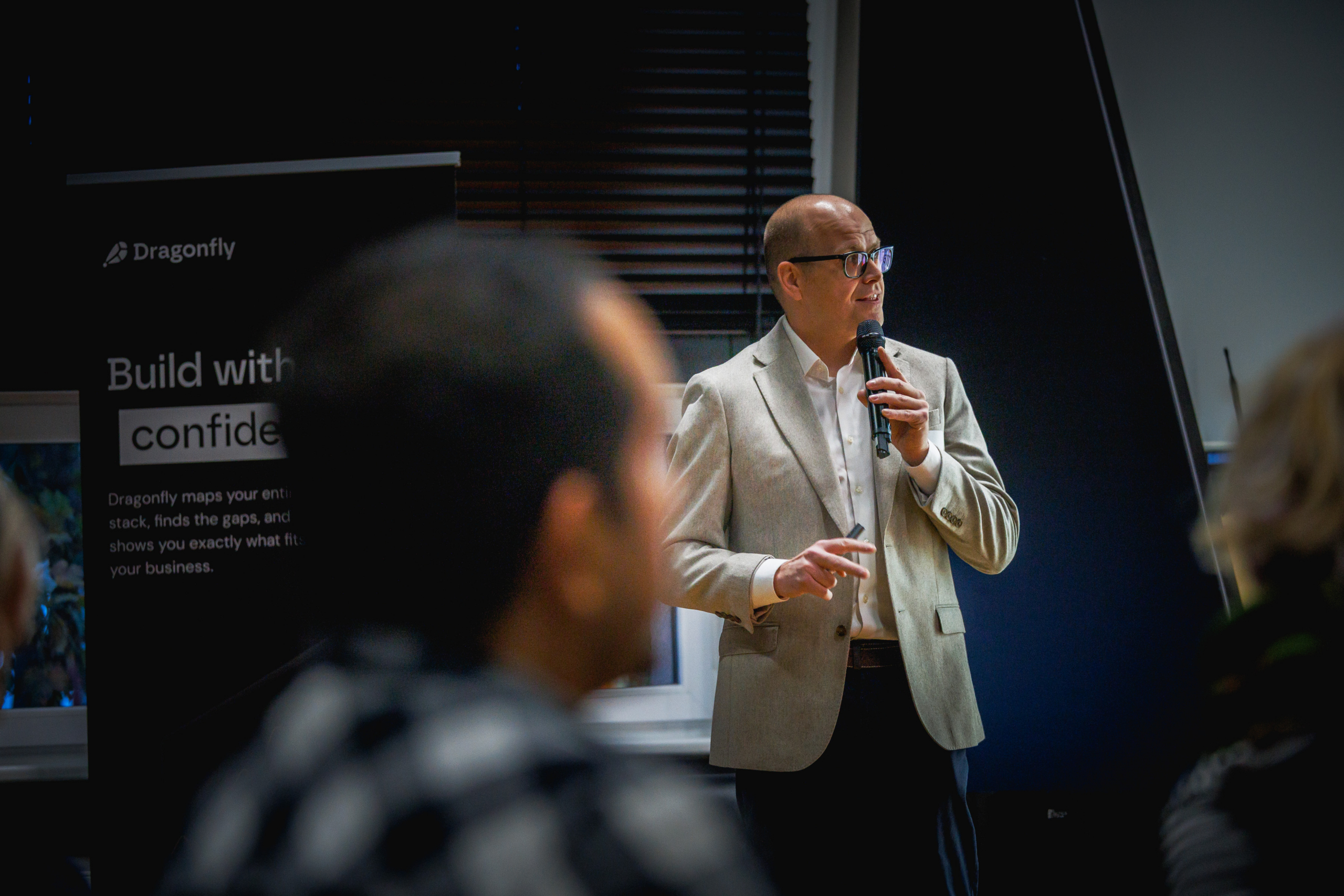
At the same time, a leader may not even know which AI tools are already in use in the company. According to Sean King, also a co-founder of Dragonfly, companies adopt them faster than they can keep track of them. In a company of a few hundred employees, three or four out of five tools can remain invisible to the organisation, which makes it hard to assess their value. Sean’s advice was to start from your own company’s data and needs rather than copying someone else’s success story.
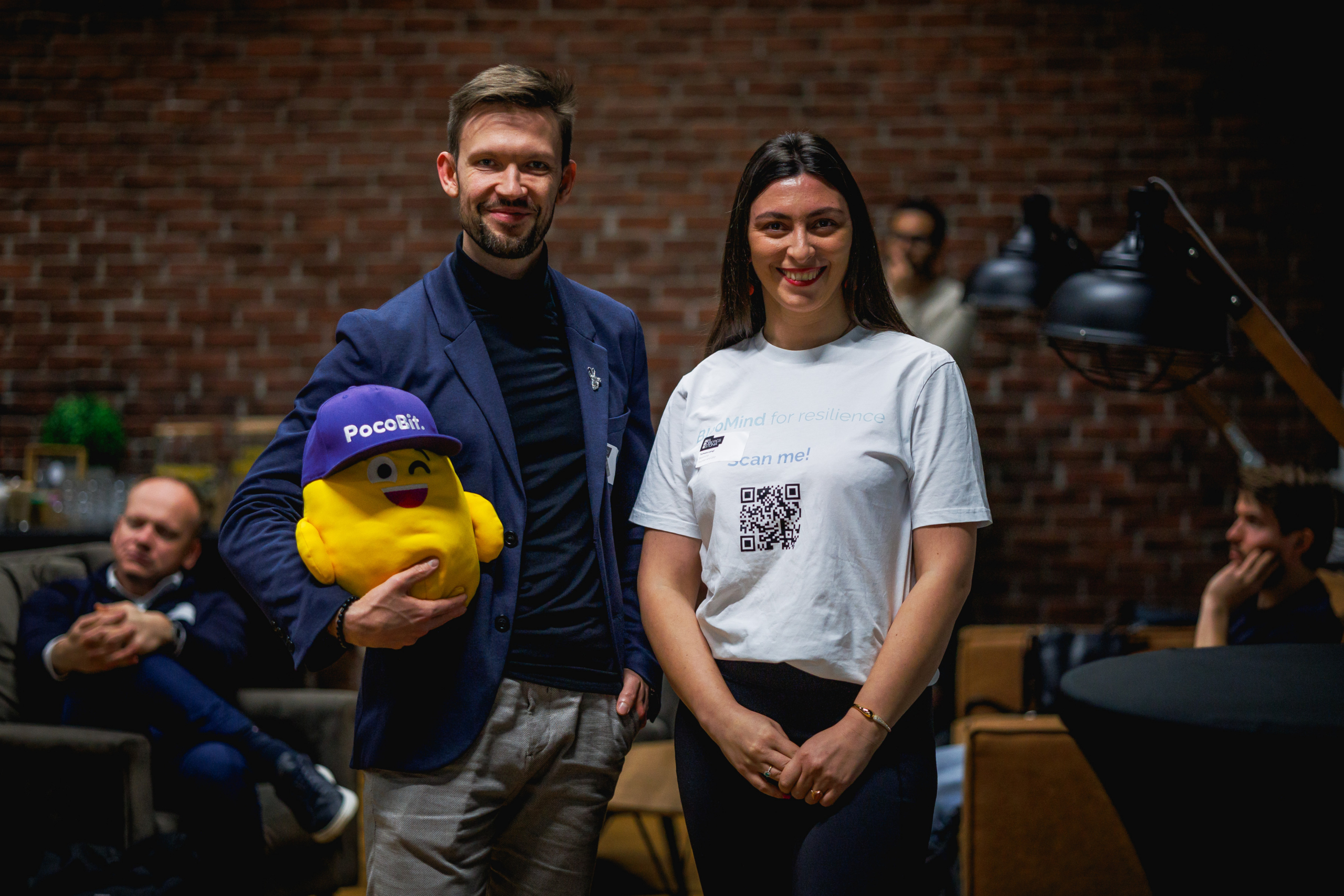
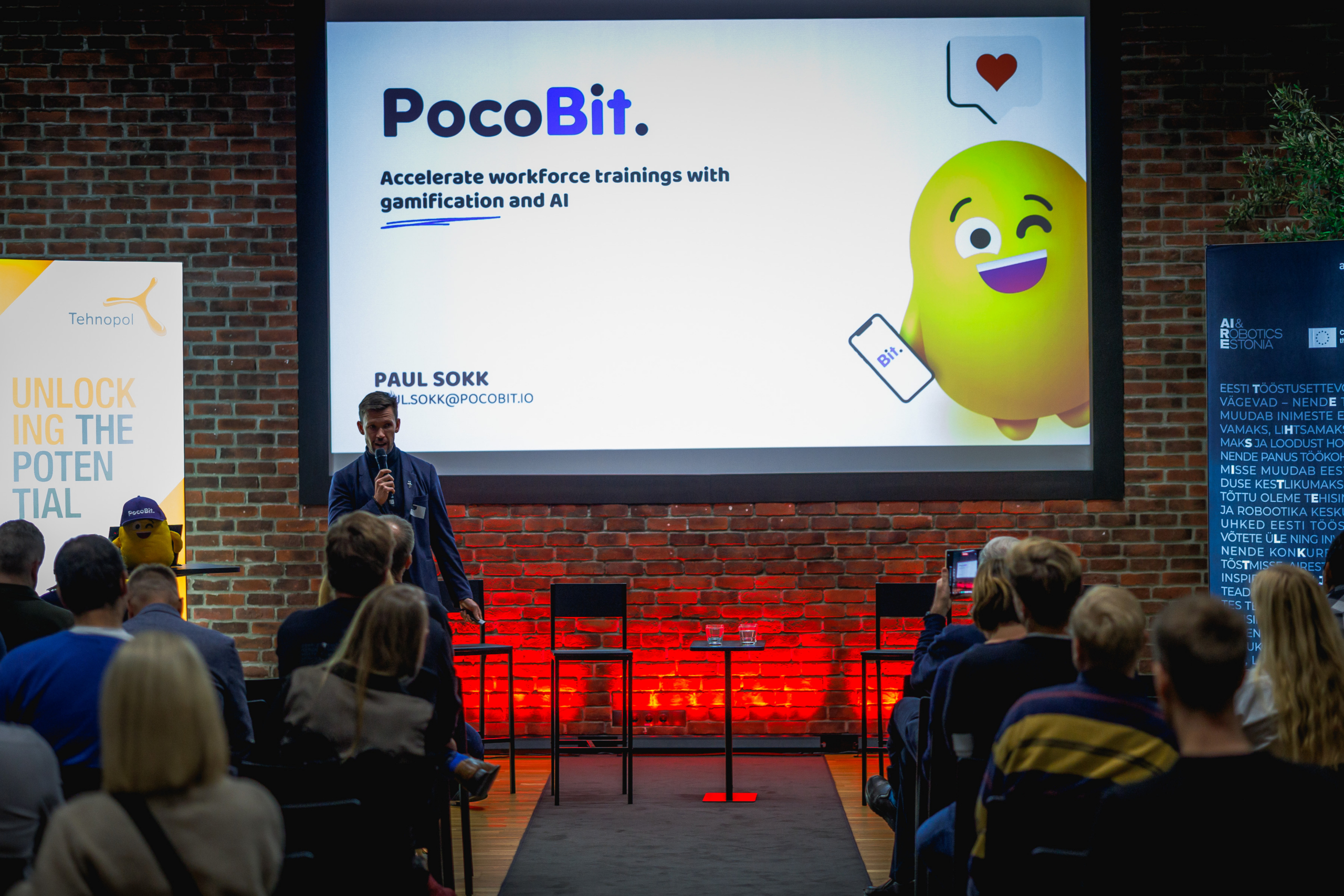
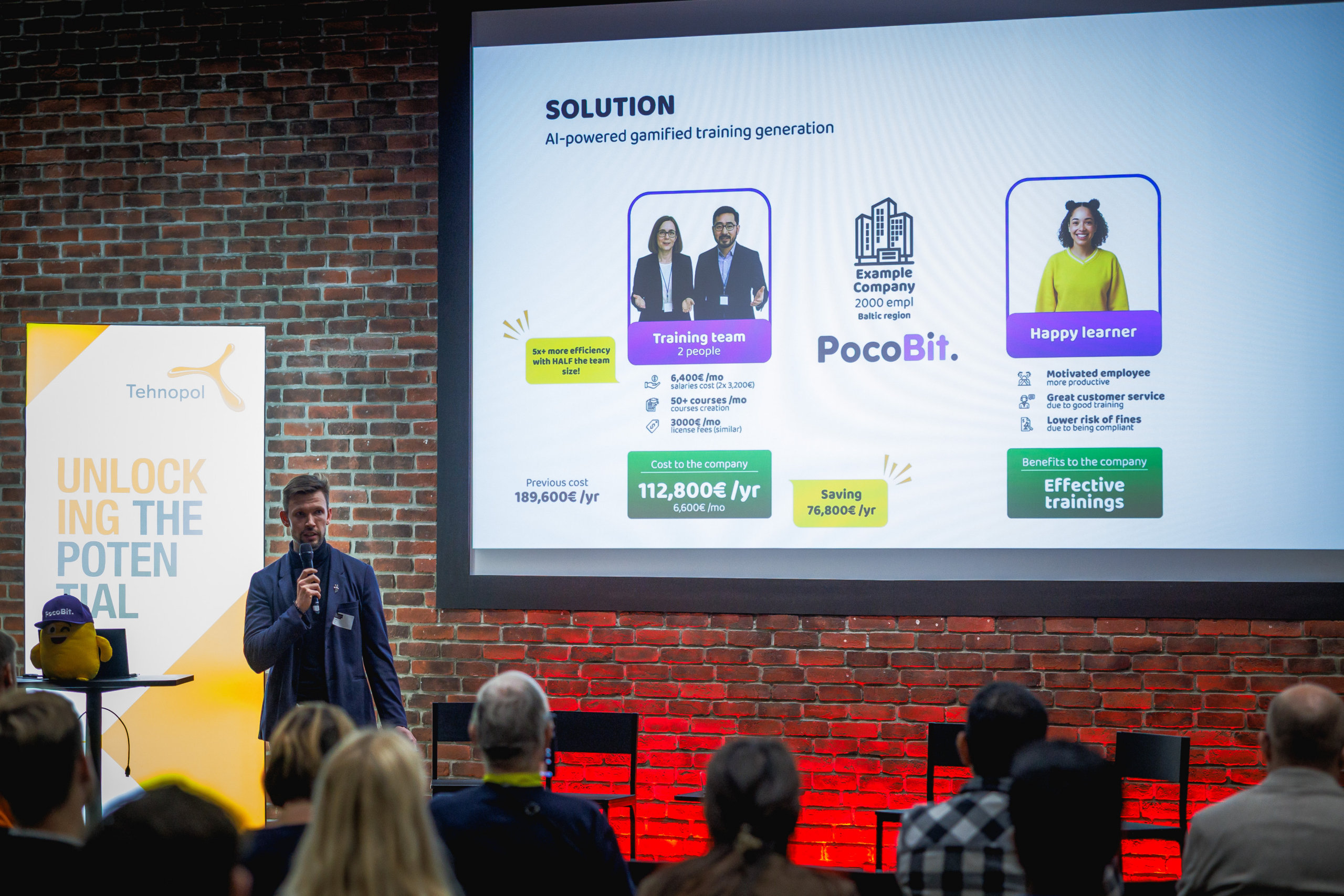
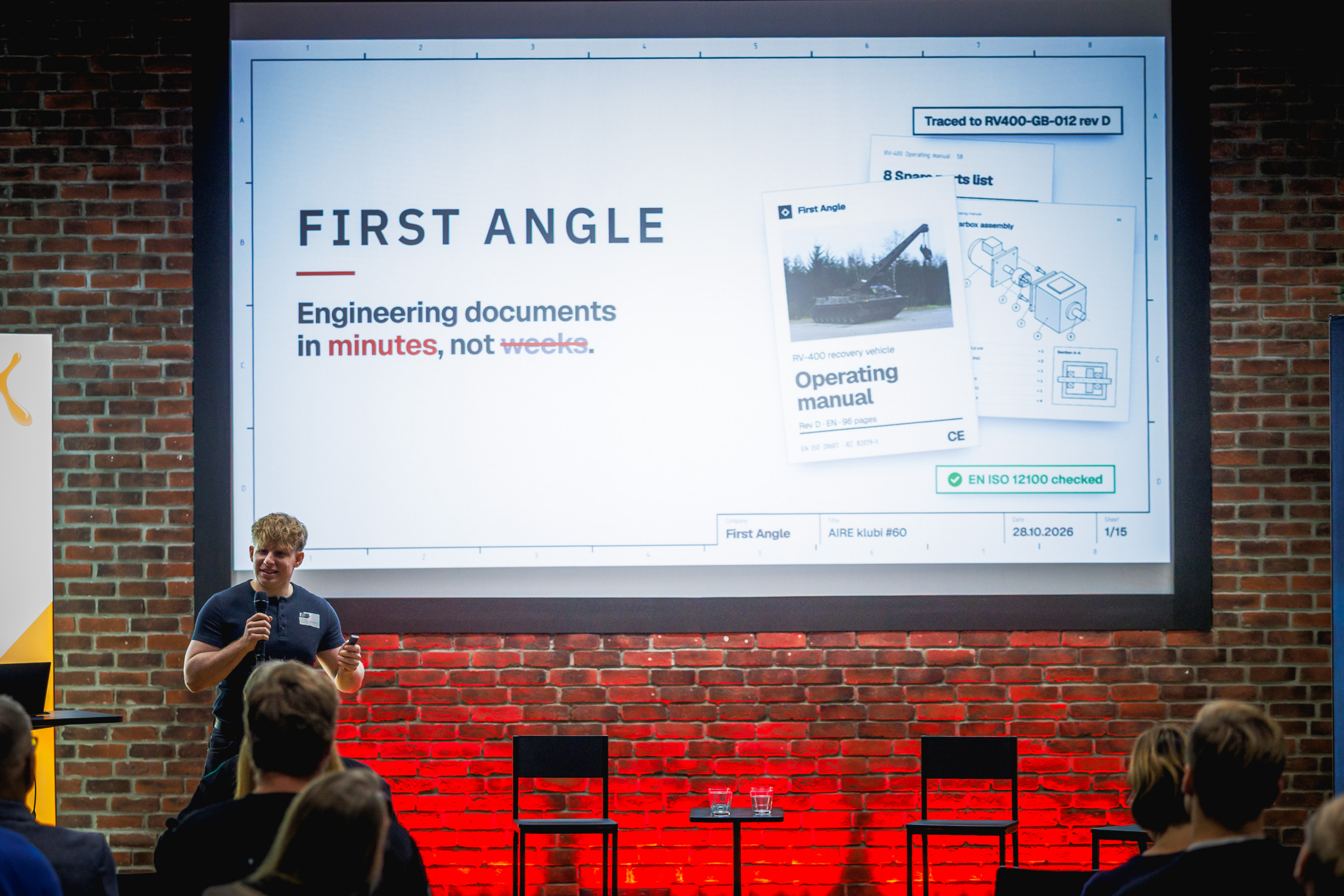
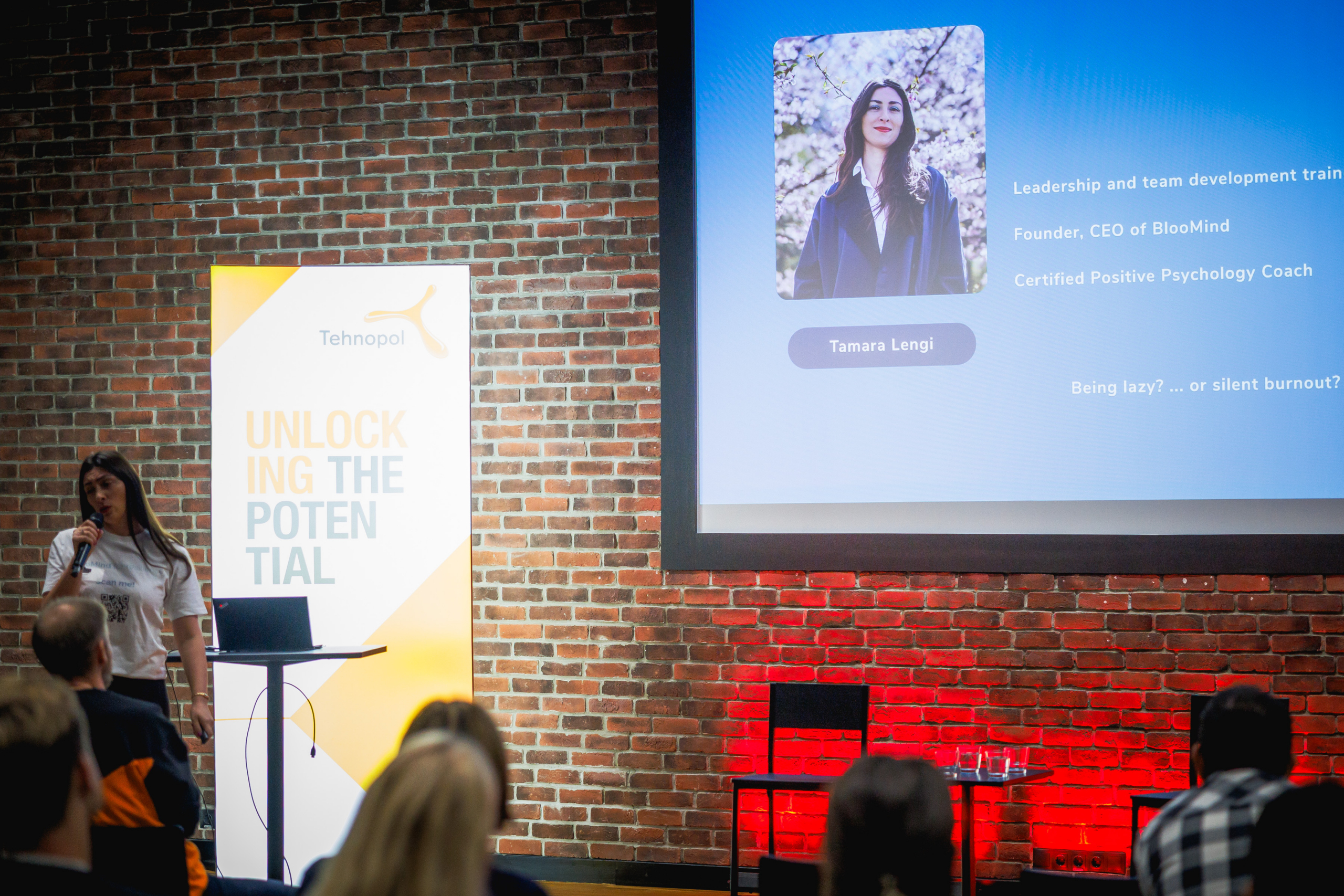
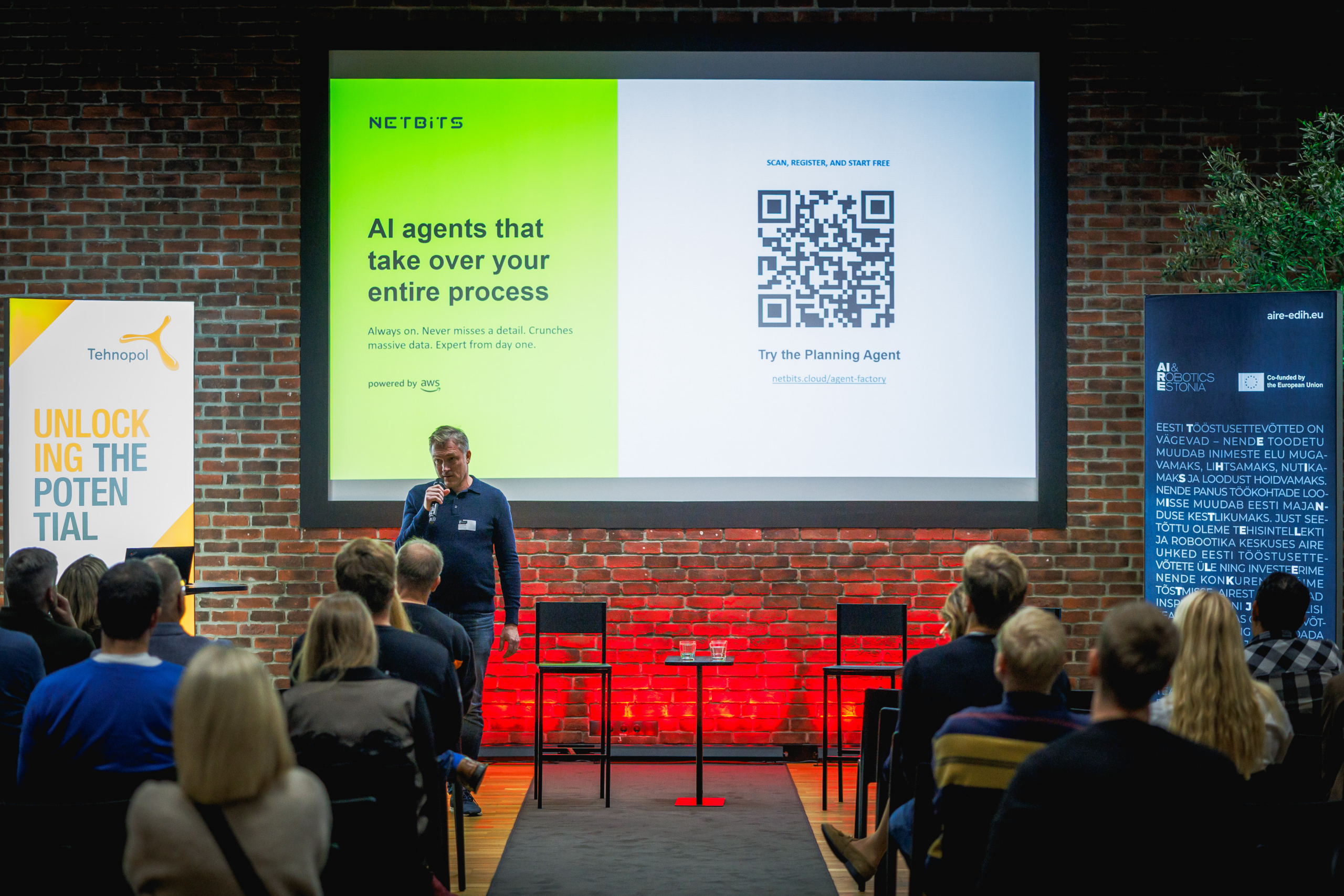
At the end of the evening, the startups of the Tehnopol AI Accelerator, PocoBit, Ignostiq, First Angle, BlooMind and Netbits, presented their solutions.
Thank you to Milrem Robotics and Dragonfly, our co-organisers of the evening, and to everyone who came to share their experiences and questions!
Share this entry